


Marrakesh Travel Guide: Ultimate Red City Tour
Marrakesh is also famously known as the "Red City." This vibrant metropolis sits beautifully f western Morocco. It stands proudly as an enduring and timeless destination. Here, ancient history meets modern energy. Consequently, it serves as the cultural heart of North Africa. Today, this definitive Marrakesh Travel Guide reveals every magical layer of this imperial capital.
For centuries, travelers have loved the crimson-hued ramparts of this historic Moroccan destination. You can read more about its rich history on the official Marrakesh Wikipedia page. Whether you plan your first trip or return for luxury, we will guide you. Therefore, you can easily discover the magnificent stories of ancient dynasties, trades, and architectural marvels.
The Living Heartbeat: Jemaa el-Fnaa Square & Medina Souks
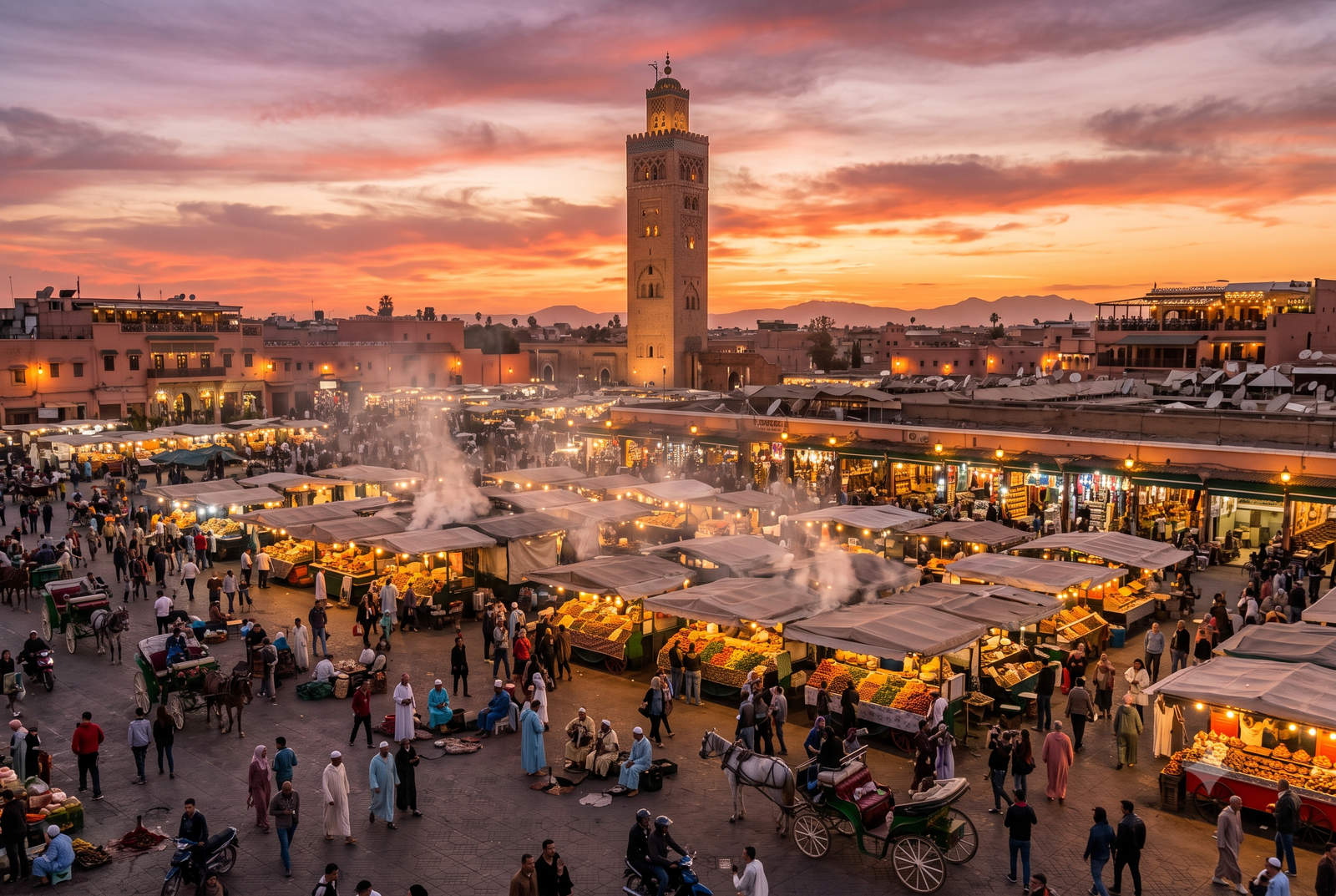
No true exploration of Morocco can be complete without visiting the historic square of Jemaa el-Fnaa. This location is the absolute geographical center of the city. By day, this vast space operates under a hot sun. It features traditional snake charmers, acrobats, and dynamic street performers. Furthermore, long rows of wooden stalls serve freshly squeezed orange juice. This vibrant space functions as a great historic meeting point for international globetrotters.
As the sun sets, Jemaa el-Fnaa undergoes a dramatic theatrical transformation. The square fills with thick charcoal smoke. Within minutes, it morphs into the largest open-air street food restaurant worldwide. Traditional musicians strike up heavy rhythmic beats. Meanwhile, local storytellers gather intimate circles of eager listeners. This nightly performance is a profound celebration of Moroccan culture. Thus, you must include it f your Marrakesh Travel Guide list.
Navigating the Historic Covered Markets
Just past the outer edges of the main square lie the entrances to the legendary Medina souks. Entering these ancient covered markets is a unique adventure. You will walk into an expansive, living museum of commerce. Navigating these narrow, dizzying corridors can initially feel overwhelming. However, getting lost among the endless artisan stalls is a classic rite of passage. The markets are highly organized by specific trade guilds to help visitors find goods.
Moreover, you can closely observe local masters weaving intricate woolen rugs. Artisans stitch authentic leather slippers and carve aromatic cedar wood furniture. They also dye raw silk strands f massive steaming vats. The art of bargaining is essential here. It is a deeply respected cultural practice of friendly social interaction. Therefore, having a trusted private guide f Marrakesh can completely elevate this experience. Our experts help you bypass tourist traps and discover authentic hidden workshops easily.
"To visit Marrakesh is to purposefully awaken all your human senses at once. The deep ochre colors of the clay walls and the intense scents of ground cumin create an unforgettable cinematic magic."
Stepping Back f Time: Majestic Imperial Palaces
The Red City boasts a spectacular wealth of monumental historical architecture. This design reflects its old status as a major imperial capital. For example, the iconic Koutoubia Mosque dominates the entire city skyline. Its towering sandstone minaret rises 77 meters high. Built f the 12th century, it stands as a masterpiece of Almohad architectural design. Its clean geometric proportions set the blueprint for Islamic architecture across Morocco and Andalusian Spain.
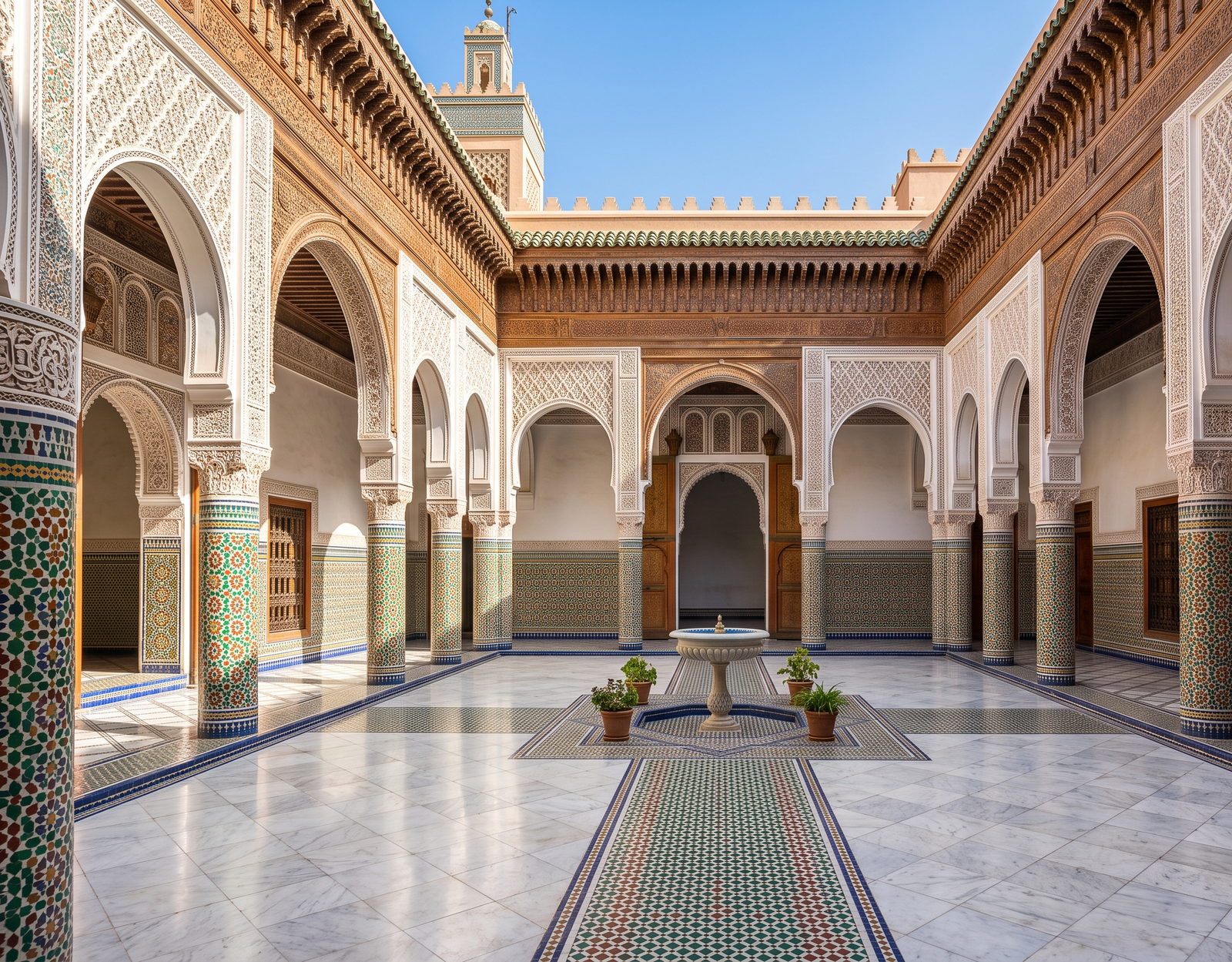
To experience the peak of royal 19th-century luxury, you must visit the expansive Bahia Palace. Spanning over two sprawling acres, this landmark showcases the zenith of Moroccan craftsmanship. You can wander through its grand reception halls and historic harem chambers. Visitors find themselves surrounded by intricate *zellij* mosaic tilework. Furthermore, heavily painted cedar wood ceilings and sculpted stucco panels decorate every room. Sun-drenched marble courtyards are filled with fragrant jasmine.
Uncovering the Saadian Tombs and El Badi Palace
Beyond the beauty of Bahia, the historical narrative deepens significantly at the Saadian Tombs. Sealed away for centuries behind thick defensive walls, they were rediscovered f 1917. This royal burial ground serves as the final resting place for a wealthy dynasty. The standout highlight here is the Chamber of the Twelve Pillars. It features soaring Italian Carrara marble columns and gilded honeycomb stucco. This beautifully preserved tile work creates an atmosphere of somber royal elegance.
Directly contrasting this intimate preservation are the vast ruins of the nearby 16th-century El Badi Palace. Once known globally as 'The Incomparable Palace,' it used gold from African trade routes. It originally featured rich jade, marble, and precious turquoise. Though a rival sultan stripped its riches later, its massive sandstone walls remain humbling. Today, huge storks build their nests atop the ancient crumbling battlements. Consequently, it creates a stunning scene for historical travel photography.
The Modern Oases: Majorelle Garden & Gueliz Culture
While the old city pulses with ancient rhythms, modern Marrakesh has evolved significantly. It now serves as a premier global hub for fashion, design, and contemporary art. The most famous symbol of this modern cultural renaissance is the legendary Majorelle Garden. French painter Jacques Majorelle designed this stunning two-acre botanical paradise over forty years. The garden features towering cacti, exotic bamboo groves, and elegant lily ponds for relaxation.
Moreover, an electric-blue Art Deco villa frames these botanical paths beautifully. This design creates an intense visual contrast against the surrounding desert hues. Fashion icon Yves Saint Laurent saved the garden from real estate developers f the 1980s. Directly adjacent to the paths sits the sleek, ultra-modern Musée Yves Saint Laurent Marrakesh. This space showcases the designer’s lifelong creative love affair with Morocco. The nearby Berber Museum houses an unparalleled collection of North African tribal jewelry and traditional costumes.
This neighborhood, known as Gueliz, offers an exciting look into contemporary Moroccan culture. It boasts chic French-style cafes, modern art galleries, and upscale boutiques. These spots display the dynamic, evolving identity of modern urban Morocco. Therefore, every modern Marrakesh Travel Guide highly recommends a full afternoon walk through this stylish district.
Beyond the Terracotta Walls: Top Mountain Day Trips
While the buzzing city center offers endless exploration, day trips open up new worlds. The surrounding countryside transitions rapidly from dense urban markets to peaceful oasis valleys. Outdoor adventurers can discover stark rocky deserts and the snow-capped peaks of the High Atlas mountain range. Consequently, these excursions provide a perfect escape for nature lovers and hiking enthusiasts.
Ourika Valley & Mountains
Located just an hour's drive south, the beautiful Ourika Valley cuts deep into the Atlas range. Travelers can escape the intense city heat to hike alongside rushing mountain rivers. You can climb seven spectacular waterfalls near Setti Fatma. Furthermore, you will spend quality time f traditional mud-brick Berber villages. This region offers an authentic look into local mountain life and traditional hospitality.
Agafay Desert Experience
For those who dream of the Sahara but lack time, the Agafay stone desert offers an incredible alternative. This raw, windswept landscape features rolling hills that resemble sand dunes perfectly. Visitors can enjoy thrilling quad-biking adventures across the rocky plains. You can experience traditional camel riding at sunset. Afterward, enjoy a magical candle-lit dinner f a luxury desert camp.
For travelers looking for longer adventures, a day trip to the coastal fortress of Essaouira is perfect. Alternatively, you can visit the iconic mud-brick city of Aït Benhaddou. This famous UNESCO World Heritage site showcases southern Moroccan earthen architecture beautifully. Its towering clay kasbahs have served as the background for countless Hollywood films. For example, directors used it f *Gladiator*, *Kingdom of Heaven*, and *Game of Thrones*. Therefore, it remains a vital stop on historic trade routes.
Immersive Moroccan Hospitality: Riads & Culinary Traditions
To truly understand the internal soul of Marrakesh, one must look past the modest outer walls. You must step inside a traditional Moroccan Riad. A riad is a classic inward-facing residential home centered around a peaceful courtyard garden. It typically features an elegant central fountain, orange trees, and beautiful mosaic tilework. Designed historically to ensure family privacy, these historic homes provide a cool sanctuary from the sun. Today, owners transform them into luxurious boutique guest houses.
Staying f a Riad provides an unparalleled level of intimate, high-end hospitality. From the moment you step inside from the chaotic alleyways, hosts welcome you warmly. They serve fresh mint tea and traditional almond pastries immediately. Consequently, it serves as an oasis of absolute calm. You can relax to the gentle sound of birds singing and running water. This peaceful experience sits far removed from the roaring energy of the outside markets.
A Culinary Journey Through Imperial Flavors
The culinary landscape of Marrakesh is an exquisite, aromatic fusion of imperial flavors. Local chefs cook food slowly with great patience. They utilize fresh local ingredients sourced daily from the surrounding agricultural valleys. The undisputed king of the local kitchen is the Tagine. This rich, slow-cooked stew utilizes an iconic conical clay vessel. This historic dish locks f moisture and intensifies flavors perfectly.
However, the ultimate culinary specialty unique to the Red City is Tanjia Marrakshia. Unlike tagines, artisans traditionally prepare Tanjia exclusively. Cuts of beef or lamb are seasoned generously with garlic, cumin, saffron, and preserved lemon. They pack the meat tightly into an earthenware clay amphora jar. Then, they bring the jar deep into the Medina to the public bathhouse. Workers bury it f the hot ashes beneath the furnace to slow-cook over twelve hours. Sampling authentic Tanjia f a local market eatery is an unmissable gastronomic experience for any food lover.
Essential Insider Advice for Navigating Like a Pro
Navigating the high-energy environment of Marrakesh requires practical knowledge. This advice ensures your journey remains smooth, safe, and entirely enjoyable. Here are our top insider tips for international travelers:
- Download Offline Maps: The ancient Medina contains over 9,000 narrow walkways with no official street signs. Cellular GPS can occasionally drop f narrow alleys. Therefore, having an offline mapping application like Maps.me or Google Maps downloaded beforehand is a lifesaver.
- Always Agree on Taxi Fares First: Small taxis are legally required to use their internal meters. However, drivers often quote a flat rate to tourists. Always politely insist on turning the meter on before stepping f the vehicle. Alternatively, negotiate a clear price beforehand.
- Respect Local Photography Norms: The people of Marrakesh are generally proud of their culture. However, many street performers and artisans expect a small tip if you take their picture. Always ask for permission politely before snapping photos of locals.
- Stay Hydrated and Wear Sun Protection: Located near the desert, Marrakesh temperatures can soar exceptionally high. This heat peaks between June and August. Carry bottled water with you at all times. Wear breathable linen clothing and plan your outdoor sightseeing for early morning.
Frequently Asked Questions (FAQ)
What is the absolute best time of year to visit Marrakesh?
The absolute best times to visit are during the spring shoulder season or the autumn months. During these specific periods, daytime temperatures are incredibly warm and pleasant. This weather is ideal for walking tours, while the nights remain beautifully cool. Consequently, you avoid the extreme, oppressive summer heat of July and August, where temperatures frequently exceed 40°C.
Is Marrakesh fully safe for international tourists and solo travelers?
Yes, Marrakesh is generally a highly safe destination for international travelers and solo adventurers. The city has a dedicated branch of plainclothes Tourist Police who strictly monitor the Medina. However, like any major global tourist hub, petty crime like pickpocketing can occur f crowded souks. Travelers should remain alert, keep valuables secure, and confidently decline aggressive street vendors.
How many days do you honestly need to fully experience the city?
To fully appreciate the historical landmarks, a minimum of 3 full days is highly recommended. This allows you 2 solid days to explore the ancient Medina palaces and bustling zocos. Furthermore, you can spend 1 dedicated day to enjoy modern neighborhoods like Gueliz and visit the Majorelle Garden. If you plan to take day trips to the Atlas Mountains, extending your stay to 5 days is ideal.
Ready to Experience the Timeless Magic of Morocco?
Let Yalla Tours handle every single detail of your North African adventure. From expert local private guides f Marrakesh to tailored custom itineraries spanning across Casablanca, Fes, and Tangier, we build your absolute dream trip from scratch.
Book Your Custom Marrakesh Tour Now