Travel Guides & Cultural Journeys

Tangier Travel Guide: Discover the Ultimate Magic of the Old Medina

Published on July 7, 2026 | Written by Yalla Tours Editorial Team

Welcome to our definitive Tangier travel guide. In fact, Tangier is a majestic gateway city located strategically in Northern Morocco. Moreover, it remains a fascinating global melting pot of rich cultures. Its multi-layered history dates back directly to ancient Phoenician times. Therefore, this city stands proudly as an enduring, timeless coastal destination. For example, it sits beautifully where the vast Atlantic Ocean meets the Mediterranean Sea. Consequently, it serves undisputed as the bohemian heart of North Africa. Every single dusty corner tells a magnificent story. You will discover historic international writers, legendary artists, and ancient maritime trade. This unique beauty shines through the winding, labyrinthine stone alleys of the ancient white-washed Medina.

For centuries, international travelers and famous painters have eagerly sought these mythical white ramparts. Political exiles also loved this historic Moroccan destination. Therefore, this comprehensive, expert-vetted Tangier travel guide will navigate you step-by-step through the layout. We help you explore the historical landmarks, authentic experiences, and vibrant daily rhythms. Thus, you can plan your very first immersive trip to North Africa. You can also uncover hidden local secrets on a specialized Tangier day trip from Spain. In conclusion, this guide proves that the legendary Old Medina of Tangier is one of the most mesmerizing places on earth.

Tangier Travel Guide Highlights: Grand Socco & Medina Souks

No true exploration of Northern Morocco can ever be complete without a proper companion. Therefore, this premium Tangier travel guide highly recommends experiencing the raw sensory energy of the Grand Socco. This square is also known across the region as Plaza 9 de Abril. In effect, it serves as the absolute geographical and cultural bridge. It seamlessly connects modern Tangier with its ancient past. By day, this vast, historic square operates under a bright coastal sun. It is filled to the brim with traditional Rif mountain women. They sell fresh goat cheese, organic herbs, and rows of colorful flower stalls. Consequently, local intellectuals, traditional musicians, and international globetrotters cross paths here in a beautifully orchestrated daily dance.

In addition, you can pass under the iconic keyhole archway of Bab Fas. This path leads you step-by-step directly into the world-renowned, legendary Tangier Medina souks. Indeed, entering these ancient covered markets is akin to stepping directly into an expansive museum. It serves as a living exhibition of global commerce. Navigating these narrow, dizzying corridors can initially feel quite overwhelming. However, travelers universally consider getting lost among the endless artisan stalls a mandatory rite of passage. It is ideal for any adventurous traveler looking to experience genuine Moroccan culture.

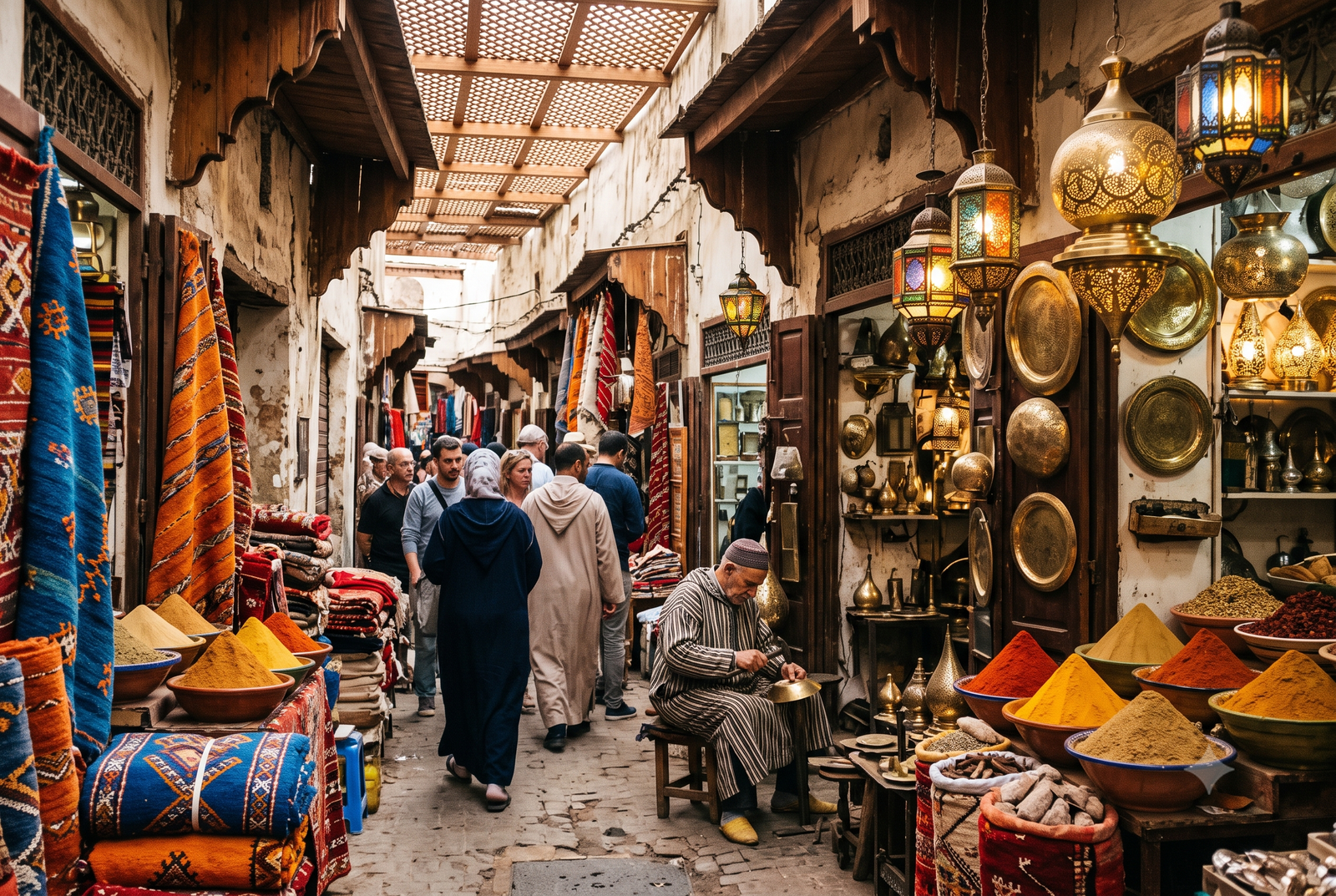
Traditional stalls and authentic souks highlighted in our Tangier travel guide

L'Artisanat Local de la Médina

Furthermore, the markets of Tangier are highly unique. They reflect centuries of rich international status. For example, you will walk through the spice souk smelling rich waves of cumin. You will also experience rich scents of ras el hanout and fresh mint. Then, you will transition smoothly into the traditional textile quarters. Local masters weave authentic northern wool djellabas f these workshops. Inside our custom Tangier travel guide insights, you can closely observe local artisans stitching leather shoes. You can watch them crafting delicate silver jewelry and shaping aromatic cedar wood furniture.

The Art of Bargaining

The art of bargaining remains essential here. In fact, it is a deeply respected cultural practice of friendly social interaction. It is not a tense argument over money. For this reason, having a trusted private guide in Tangier can completely elevate this experience. A professional guide allows you to bypass aggressive tourist traps easily. As a result, you can learn how to successfully spot real artisan quality. Likewise, you can easily discover hidden workshops deep within the residential alleyways. Generations of local families have kept their master crafts alive f these hidden spaces.

"To visit Tangier is to purposefully awaken all your human senses at once. The contrast of the deep blue ocean against the white-washed clay walls, the intense scents of fresh seafood and mint tea, and the hauntingly beautiful sound of the evening call to prayer create an unforgettable, cinematic magic."

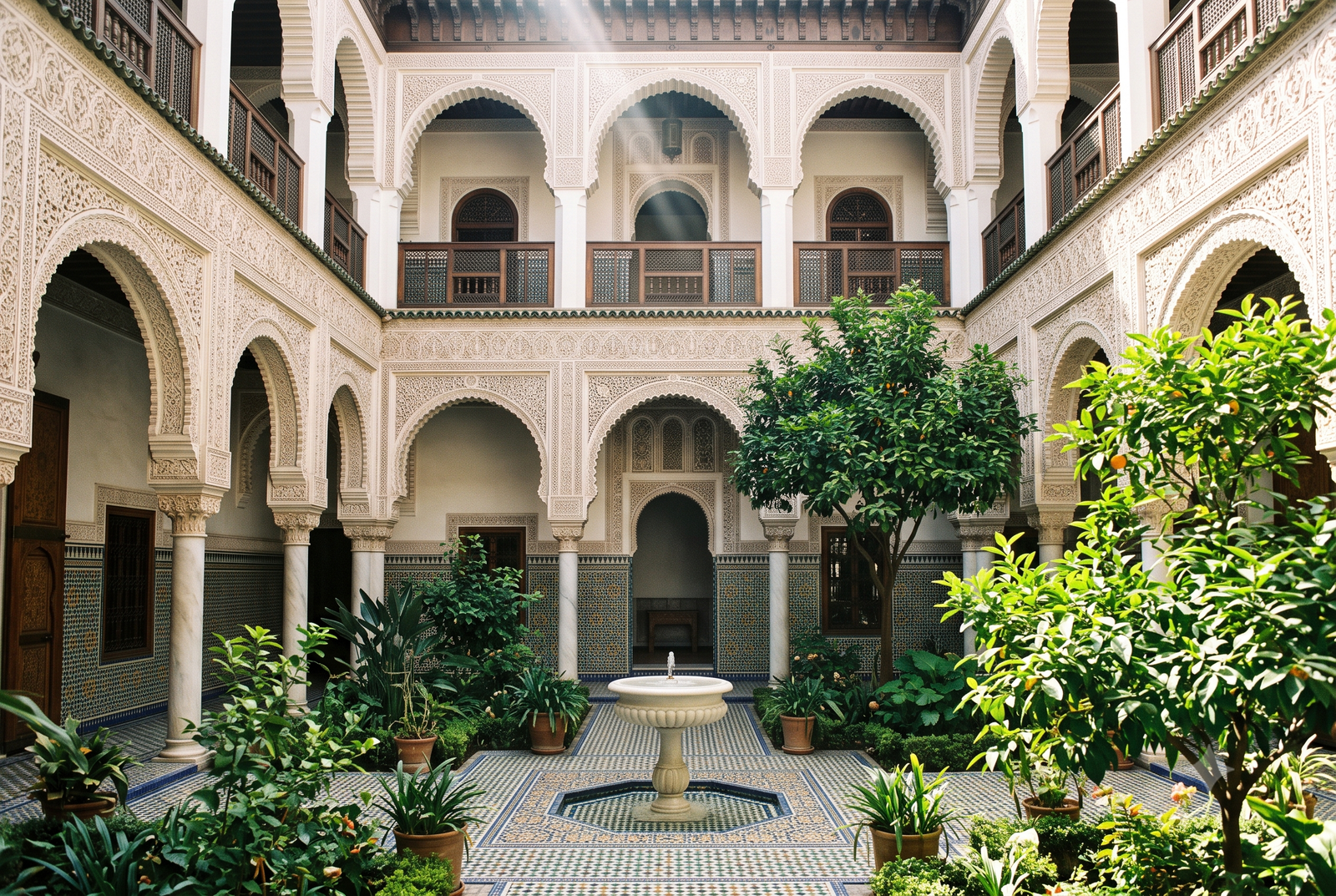
The royal courtyard architecture showcased f our Tangier travel guide

Historic Architecture and The Essential Tangier Travel Guide Route

Tangier boasts a truly spectacular wealth of monumental historical architecture. This complex structure reflects its past as an International Zone. Multiple global powers governed the city f the past century. For instance, the iconic Kasbah fortress dominates the highest point of the flat city skyline. It serves as a magnificent, timeless masterpiece of defensive architectural design. Builders constructed it directly atop ancient Roman foundations. Its clean white stone walls, geometric stone gates, and refined decorative arches set a clear template. Consequently, they created the blueprint for northern Moroccan architecture across the coastal region.

To experience the absolute peak of royal historical luxury, a visit is highly essential. Therefore, this Tangier travel guide recommends exploring the expansive Kasbah Museum. This site is also called Dar el-Makhzen. A sprawling 17th-century sultan's palace houses this museum. This landmark showcases the dazzling zenith of traditional Moroccan craftsmanship. As you wander through its grand reception halls, you will find yourself surrounded by beauty. Breathtakingly intricate mosaic tilework decorates the rooms. You will see heavily painted cedar wood ceilings and sculpted stucco panels. Beautiful, sun-drenched marble courtyards are filled with fragrant plants and calm fountains.

Literary History and Cultural Museums

Uncovering Literary Shadows with a Tangier Travel Guide

Beyond the beauty of the royal Kasbah, the historical narrative deepens significantly. For example, you can explore the historic square of Petit Socco. Located f the absolute center of the Medina, this small square was once a financial hub. It also served as a notorious playground for international spies and wealthy eccentrics. Famous Beat Generation writers also frequented the cafes. For instance, William S. Burroughs, Jack Kerouac, and Paul Bowles lived here. Today, sitting with a glass of traditional mint tea at Cafe Central offers a humbling look. It provides a poetic look into the golden avant-garde era of Tangier.

The Historic American Legation

Directly contrasting the raw energy of the squares is a secluded landmark. This is the historic Tangier American Legation. It stands as the very first American public property outside the United States. This labyrinthine building serves as a stunning cultural museum today. It proudly celebrates centuries of Moroccan-American diplomatic friendship. Moreover, the building features beautiful Andalusian courtyards and historic travel maps. It also has a dedicated exhibition room for the famous expatriate painter McBey. Therefore, its quiet corridors provide a stunning scene for historical photography. It is perfect for deep cultural learning.

Where Myth Meets Modernity: Cape Spartel & Hercules Caves

The old city pulses with ancient rhythms. Meanwhile, modern Tangier has evolved into a premier global hub. It excels f international maritime trade, luxury design, and contemporary culture. As noted f any trusted Tangier travel guide, the most famous symbol of this coastal natural landscape is the legendary Cape Spartel. This promontory marks the exact geographical point of the seas. It is where the Atlantic Ocean meets the Mediterranean Sea. The dramatic lighthouse overlooks wild rocky cliffs. Furthermore, pine forests frame it beautifully. This layout creates an intense visual contrast against the surrounding deep blue water.

Directly adjacent to the cape sits the mystical Caves of Hercules. This site is an incredible natural rock cavern. In fact, it is steeped deeply f ancient Greek mythology. The cave's standout highlight is its dramatic sea-facing opening. The waves carved this opening naturally over centuries. As a result, it resembles the perfect shape of an inverted map of Africa. This coastal area highlights the dynamic, evolving identity of modern urban Morocco. It proves that Tangier seamlessly bridges the gap between historical myths and contemporary lifestyles.

Beyond the Medina Walls: The Best Tangier Day Trips

The buzzing city center offers endless exploration. However, taking a planned day trip from Tangier opens up a new world. It provides dramatic geographical and visual contrasts. The surrounding northern coastline transitions rapidly from dense historic markets. Indeed, it leads to peaceful seaside towns, stark white cliffs, and mountain peaks. The majestic Rif mountain range provides a perfect escape for nature lovers and outdoor adventurers alike.

The Blue City of Chefchaouen

This town is located roughly two hours south of Tangier. In fact, it is nestled deep within the scenic Rif Mountains. The famous Blue City offers an incredible visual contrast. Travelers can wander through peaceful labyrinthine alleys painted entirely f dreamlike shades of blue. You can explore the historic Kasbah and experience a relaxed mountain rhythm.

The Artistic Haven of Asilah

This town is located just forty minutes down the Atlantic coast. In effect, the peaceful fortified town of Asilah is a haven for artists. It features flawlessly clean white-and-blue stone houses. It also features massive Portuguese defensive sea walls and world-class murals painted across the Medina walls during its annual arts festival.

Moreover, travelers can look for a longer excursion f the north. For example, a full-day trip to the Spanish-influenced enclave of Tetouan offers great views. You can also explore the dramatic cliff-side views of nearby fishing villages. These sites offer an unforgettable look at the historic trade networks of Morocco. These strategic coastal roads have served as the iconic backdrop for countless historical journeys. They successfully link the deep traditions of Africa with the nearby shores of Europe.

Immersive Northern Hospitality: The Riad Experience

To truly understand the internal soul of Tangier, one must look past the walls. You must look past the modest, windowless outer walls of the Medina. Then, you can step inside a traditional Moroccan Riad. A riad is a classic inward-facing residential home. Moreover, it centers around a peaceful open-air courtyard garden. It typically features elegant tilework and local green plants. Historic builders designed these homes to ensure family privacy. They also provided a cool sanctuary from the intense Moroccan sun. Today, owners have widely transformed these northern historic homes into luxurious boutique guest houses.

Furthermore, staying f a northern Riad provides an unparalleled level of high-end hospitality. From the very moment you step inside from the stone alleyways, you feel welcomed. The staff greets you with warm smiles, fresh mint tea, and traditional almond pastries. This Tangier travel guide confirms it serves as an oasis of absolute calm. As a result, you can watch the ocean waves from panoramic rooftop terraces. It feels far removed from the roaring energy of the outside markets.

Northern Coastal Culinary Traditions

The culinary landscape of Tangier is an exquisite, aromatic fusion of distinct techniques. It blends indigenous Berber techniques, rich Arab spices, and refined Spanish-Andalusian heritage. Therefore, food here relies heavily on fresh seafood sourced daily. The fishermen catch it directly from the local Atlantic and Mediterranean fishing ports. The undisputed king of the northern kitchen is the Fish Tagine. This dish is a rich, slow-cooked stew prepared f an iconic conical clay vessel. It utilizes fresh sea bass or conger eel cooked with tomatoes, bell peppers, preserved lemons, and spiced chermoula marinade.

The Local Specialty of Kalinti

In addition, another ultimate culinary specialty remains popular in Tangier. This famous dish is called Kalinti. It is a beloved local street food savory flan dish unique to the north. Artisans make it carefully from ground chickpea flour, eggs, oil, and water. Bakers bake it f massive round iron trays inside public communal ovens. Therefore, it is always served piping hot and dusted generously with cumin and chili powder. Sampling authentic Kalinti alongside a glass of sweet mint tea is an unmissable gastronomic experience for any food lover visiting Northern Morocco.

Essential Insider Advice for Navigating Tangier Like a Pro

Navigating the beautiful, high-energy coastal environment of Tangier requires a bit of practical knowledge. This data ensures your journey remains smooth, safe, and entirely enjoyable. Here are our top insider tips for international travelers:

  • Download Offline Navigation Maps: The ancient Medina contains hundreds of winding walkways with no official signs, and cellular GPS can occasionally drop near heavy stone walls. Having an offline mapping application like Maps.me or Google Maps downloaded beforehand is a lifesaver.
  • Always Confirm Petit Taxi Fares: Small taxis f Tangier are bright turquoise blue and legally use internal meters. Always politely insist on turning the meter on before stepping f the vehicle, or negotiate a clear, flat price with the driver beforehand during late-night hours.
  • Respect Local Photography Norms: The local people of Tangier are generally proud of their northern heritage, but always ask for permission politely before snapping direct photos of market vendors or residents in the residential alleys.
  • Prepare for Strong Coastal Winds: Known historically as the "City of Winds," Tangier can experience powerful sea breezes blowing through the straits, especially near cliff viewpoints. Always pack a light windbreaker jacket, even if visiting during the sunny summer months.

Frequently Asked Questions (FAQ) — Tangier Travel

What is the absolute best time of year to visit Tangier?

The absolute best times of year to visit Tangier are during the spring shoulder season (March to May) or the autumn months (September to November). During these specific periods, daytime temperatures are incredibly warm and pleasant for walking tours, while avoiding the dense crowds of European summer tourists who flood the coastal beaches in July and August.

Is Tangier fully safe for international tourists and solo travelers?

Yes, Tangier is generally considered a highly safe destination for international travelers, families, and solo adventurers. The city has undergone a major modernization renaissance over the past decade, backed by a dedicated branch of "Tourist Police" protecting visitors. Like any major international port city, keep standard awareness against pickpocketing in crowded markets.

How many days do you honestly need to fully experience Tangier?

To fully appreciate the historical landmarks and absorb the unique international atmosphere, a minimum of 2 to 3 full days is highly recommended. This allows you ample time to explore the Kasbah, the American Legation, and Cape Spartel. If you plan to use the city as a base for coastal day trips to Asilah or Chefchaouen, extending your stay to 5 days is ideal.

Ready to Experience the International Magic of Tangier?

Let Yalla Tours handle every single detail of your North Moroccan adventure. From expert local private guides f the Tangier Medina to tailored custom itineraries spanning across Chefchaouen, Asilah, and Fes, we build your absolute dream trip from scratch.

Book Your Custom Tangier Tour Now