


Best Time to Visit Morocco 2026: The Complete Month-by-Month Guide
Planning a journey to Morocco in 2026? Choosing the best time to visit Morocco depends on where you want to go, what you want to experience, and how you prefer to travel. From camel trekking across the golden dunes of Erg Chebbi to exploring the ancient imperial medinas of Fes and Marrakech or unwinding along the breezy northern Mediterranean coast, every season reveals a distinctly captivating side of Morocco.
For most travelers, spring and autumn offer the ideal overall balance of pleasant daytime temperatures, comfortable sightseeing, open mountain roads, and safe desert conditions. April, May, September, and October stand out as the premier months for a comprehensive nationwide itinerary.
Because Morocco encompasses several contrasting microclimates—from Atlantic and Mediterranean shores to snow-capped High Atlas peaks and the arid expanse of the Sahara—there is no single month that is uniform everywhere.
Whether you are crossing from Spain via Tangier or embarking on an all-inclusive private expedition such as our Tangier to Merzouga Tour , this definitive guide breaks down month-by-month weather patterns, regional variations, packing recommendations, cultural holidays, and customized advice for your travel style.
- Is There Really a Best Time to Visit Morocco?
- Morocco Travel Seasons at a Glance
- Morocco Weather by Month
- Best Time by Region
- Best Time by Activity
- Best Time by Travel Style
- Peak vs. Shoulder vs. Low Season
- Ramadan, Festivals & Cultural Holidays
- What to Pack by Season
- How Far in Advance Should You Book?
- Frequently Asked Questions
Is There Really a "Best" Time to Visit Morocco?
The simple truth is: it depends entirely on your personal itinerary. Morocco's unique topography creates significant climate contrasts between the northern coastline, the interior plains, the high mountain passes, and the Saharan dunes.
If your goal is a classic multi-region journey combining historic imperial cities, mountain vistas, and overnight desert glamping, spring and autumn are uncontested champions. However, summer serves as an exceptional escape for the Mediterranean and Atlantic coasts, while winter brings sunny afternoons to Marrakech and tranquil, crowd-free monuments.
Sahara Desert
October to April provides comfortable daytime temperatures in Erg Chebbi, steering clear of hazardous 45°C+ summer heatwaves.
Imperial Cities
March to May & September to November allow for pleasant, full-day walking tours inside the medinas of Fes, Marrakech, and Meknes.
Coast & Beaches
June to September brings cooling marine breezes to Tangier, Asilah, and Essaouira when inland valleys become intensely hot.
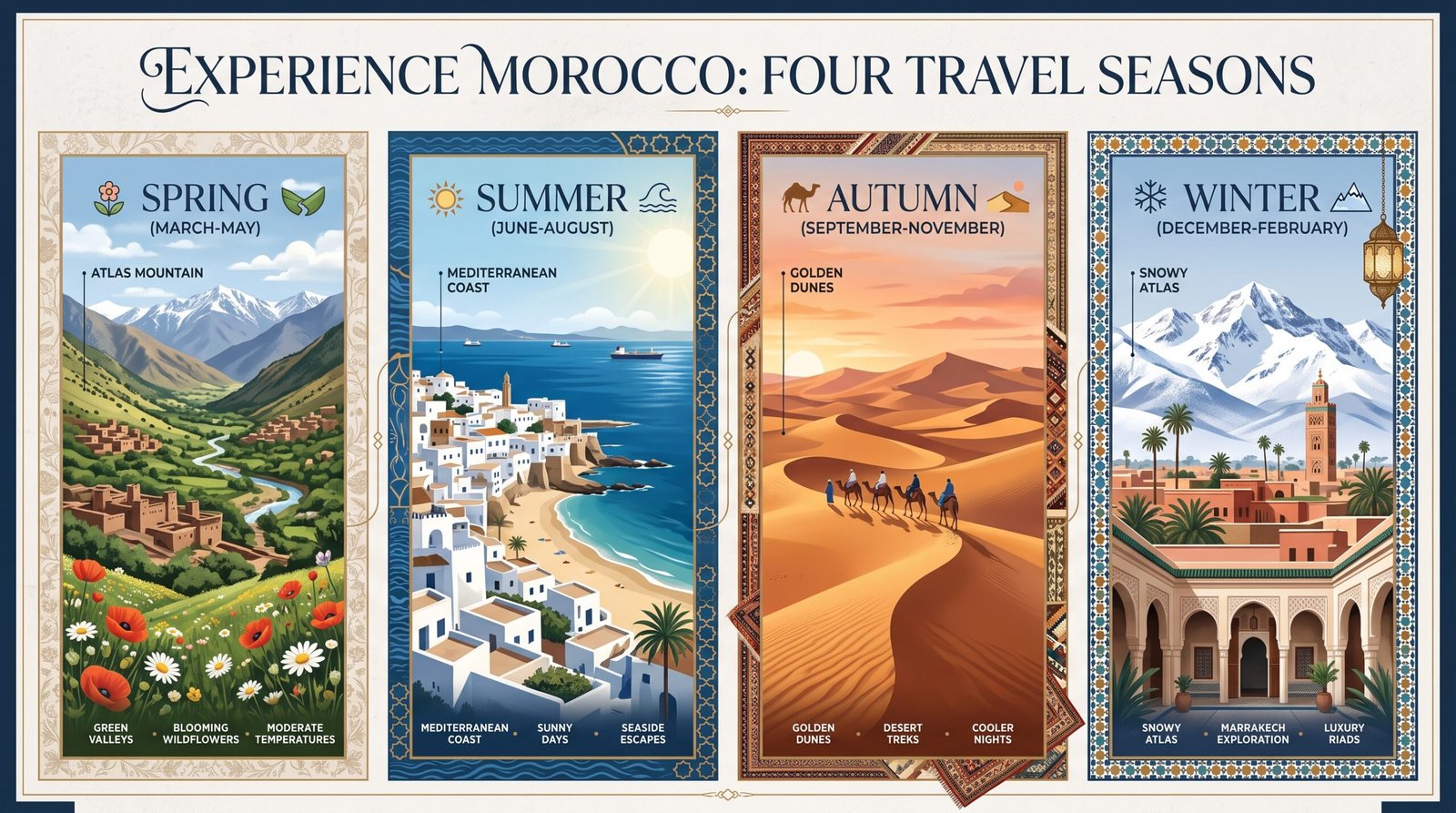
Morocco Travel Seasons at a Glance
To choose your travel dates wisely, evaluate Morocco's seasons through the lens of weather comfort, regional microclimates, tourist volume, and intended activities.
| Season | Months | Typical Conditions | Best For |
|---|---|---|---|
| Spring (Peak) | March – May | Warm days (20°C–26°C), lush green valleys, blooming flora | Medina tours, Sahara excursions, photography, Atlas hiking |
| Summer (Coast Peak) | June – August | Very hot inland (38°C–44°C); refreshing coastal air (26°C–29°C) | Tangier, Asilah, Mediterranean beaches, high mountain refuges |
| Autumn (Peak) | September – November | Warm sunny days (22°C–28°C), dropping desert heat, clear skies | Erg Chebbi luxury glamping, cultural festivals, grand private circuits |
| Winter (Shoulder/Low) | December – February | Mild sunny days (15°C–18°C), crisp chilly nights, snowy peaks | Budget travelers, uncrowded souks, southern oases, winter photography |
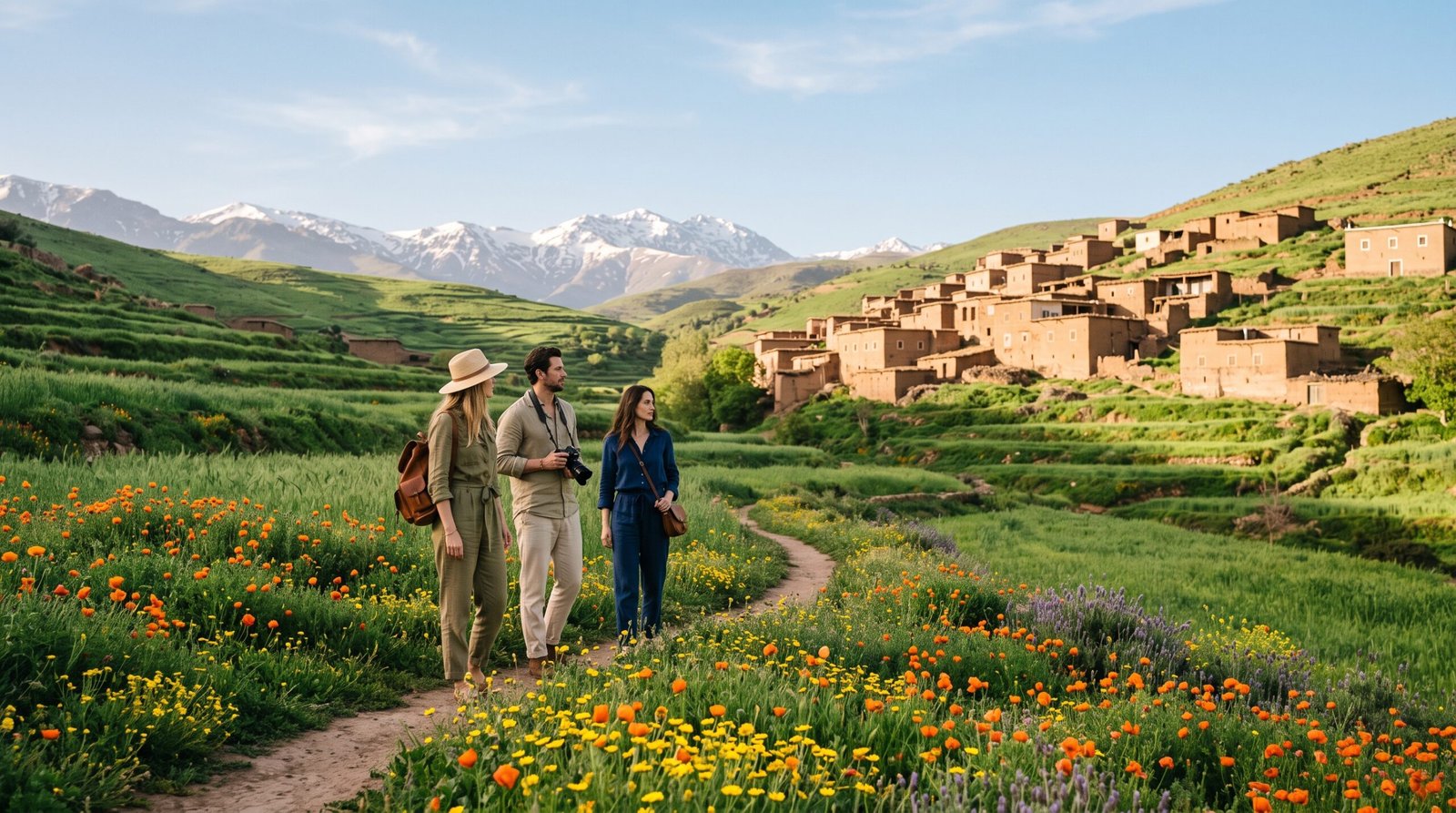
Spring: Wildflowers & Emerald Valleys
Spring is widely considered the most picturesque time to discover Morocco's countryside. Snowmelt fills mountain streams, valleys turn lush green, and daytime temperatures remain comfortable throughout the afternoon.
It represents the gold standard for travelers who want to combine cultural walking tours in Fes and Marrakech with outdoor adventures in the Atlas foothills and the Sahara Desert.
Summer: Refreshing Coastal Escapes
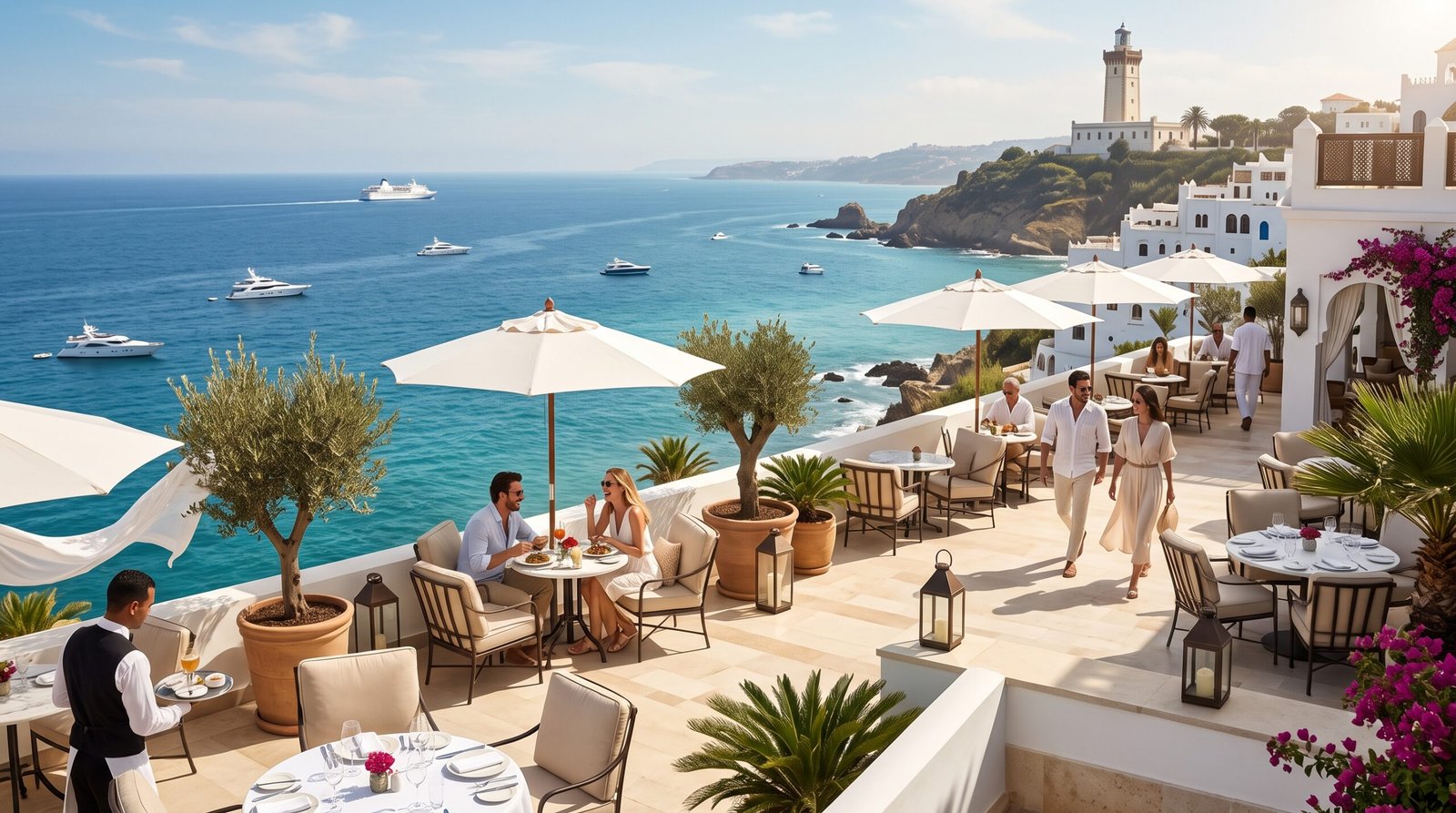
While southern and inland Morocco experience scorching summer afternoons, northern Morocco and the Atlantic coastline offer an entirely different environment.
Tangier and neighboring coastal towns enjoy comfortable Mediterranean breezes, open-air café culture, and vibrant waterfront promenades, making northern Morocco the prime summer destination.
Morocco Weather by Month: Quick Comparison
Use this high-level summary table to quickly gauge overall conditions before exploring our detailed month-by-month breakdown below.
| Month | Overall Weather | Sahara Conditions | Crowd Levels | Best Recommended For |
|---|---|---|---|---|
| January | Cool, occasional rain in north | Sunny days, freezing nights | Low–Moderate | Budget travel & tranquil cities |
| February | Mild, almond blossom season | Comfortable days, cold nights | Low–Moderate | Southern valleys & quiet riads |
| March | Mild & increasingly warm | Excellent | Moderate | First-time classic tours |
| April | Warm & pleasant everywhere | Prime / Optimum | High (Peak) | Best overall travel month |
| May | Warm; building inland heat | Warm afternoons | High | Hiking, roses & imperial sites |
| June | Hot inland, breezy coast | Very hot | Moderate | Northern coast & music festivals |
| July | Very hot inland (40°C+) | Extreme heat | High on coast | Coastal holidays & water sports |
| August | Peak summer heat inland | Extreme heat | High on coast | Tangier & Mediterranean beaches |
| September | Warm, gradual cooling | Excellent return | Moderate–High | Grand nationwide circuits |
| October | Warm, golden light | Prime / Optimum | High (Peak) | Best overall travel month |
| November | Mild, crisp evenings | Clear days, cold nights | Moderate | Cultural immersion & desert |
| December | Cool days, cold nights | Sunny days, freezing nights | High holidays | Winter escapes & festive breaks |
Morocco Weather by Month: Complete 12-Month Breakdown
Keep in mind that these guidelines represent historical travel averages. Weather in Morocco varies drastically between the Atlantic shoreline, northern mountain ranges, central plateaus, and desert expanses.
Morocco in January
January stands as Morocco's coolest month. Northern coastal hubs such as Tangier can encounter intermittent winter rains, while the High Atlas peaks are blanketed in thick snow. Conversely, Marrakech and southern valleys enjoy pleasant sunny afternoons.
Morocco in February
February is an uplifting transitional period. Early almond blossoms color the Anti-Atlas valleys in delicate pink, while daytime warmth steadily returns across the central plains.
Morocco in March
March marks the grand reopening of prime travel season. Meadows turn lush green, wildflowers cover the Rif Mountains, and desert temperatures enter an ideal comfort window.
Morocco in April
Widely celebrated as one of the best single months to explore Morocco. Comfortable, sunny days grace every province, long before the fierce heat of summer arrives.
Morocco in May
May brings the fragrance of blooming Damascus roses in the Dades Valley and consistently sunny blue skies. While inland cities become notably warmer, conditions remain very enjoyable.
Morocco in June
Summer settles in across inland Morocco. However, Tangier and the northern Atlantic coastline offer fantastic, breezy conditions with vibrant open-air festivals.
Morocco in July
July is the hottest month across Morocco's interior plains and southern valleys. Coastal regions serve as the prime sanctuary, bustling with lively seaside terraces and cool breezes.
Morocco in August
August mirrors July's intense inland heat and coincides with peak holiday season for Moroccan families and European visitors heading to the northern beaches.
Morocco in September
September delivers a welcome transition into autumn. Summer heatwaves break, school holidays conclude, and travel conditions across the Sahara and imperial cities return to near perfection.
Morocco in October
Alongside April, October is widely acclaimed as Morocco's "Golden Travel Month". Temperatures are consistently comfortable across all geographical zones without exception.
Morocco in November
November brings rich autumn foliage to the Middle Atlas and crisp, clear air across the kingdom. Daytime hours remain sunny, while evenings call for a warm jacket.
Morocco in December
December provides a charming winter escape. While northern Europe and North America contend with snow and frost, Morocco enjoys bright blue skies and pleasant midday sun.
Morocco Regional Weather & Best Time by Area
Because topography alters local weather within just a few hours' drive, here is how Morocco's premier travel regions compare across the year:
| Region / City | Spring (Mar–May) | Summer (Jun–Aug) | Autumn (Sep–Nov) | Winter (Dec–Feb) | Ideal Period |
|---|---|---|---|---|---|
| Tangier & North | Mild & Green (19°C–23°C) | Warm & Breezy (26°C–29°C) | Pleasant (22°C–25°C) | Cooler & Rainier (14°C–17°C) | May – October |
| Marrakech | Warm & Sunny (23°C–28°C) | Very Hot (38°C–42°C+) | Warm (25°C–31°C) | Mild Days / Cold Nights (18°C) | October – April |
| Fes & Meknes | Pleasant (20°C–25°C) | Hot & Dry (36°C–40°C) | Pleasant (22°C–27°C) | Cool & Damp (15°C–17°C) | March – May & October |
| Merzouga / Sahara | Warm Days / Cool Nights | Extreme Heat (40°C–45°C+) | Golden Warmth (26°C–30°C) | Sunny Days / Freezing Nights | October – April |
| High Atlas | Thaws & Blooms (15°C–20°C) | Cool Mountain Air (24°C–28°C) | Crisp Trails (16°C–22°C) | Snowbound & Cold (0°C–10°C) | Late Spring & Early Autumn |
| Atlantic Coast | Breezy (20°C–22°C) | Cool Winds (22°C–24°C) | Mild & Sunny (22°C–25°C) | Temperate (18°C–20°C) | Year-Round |
Best Time for the Sahara Desert & Merzouga
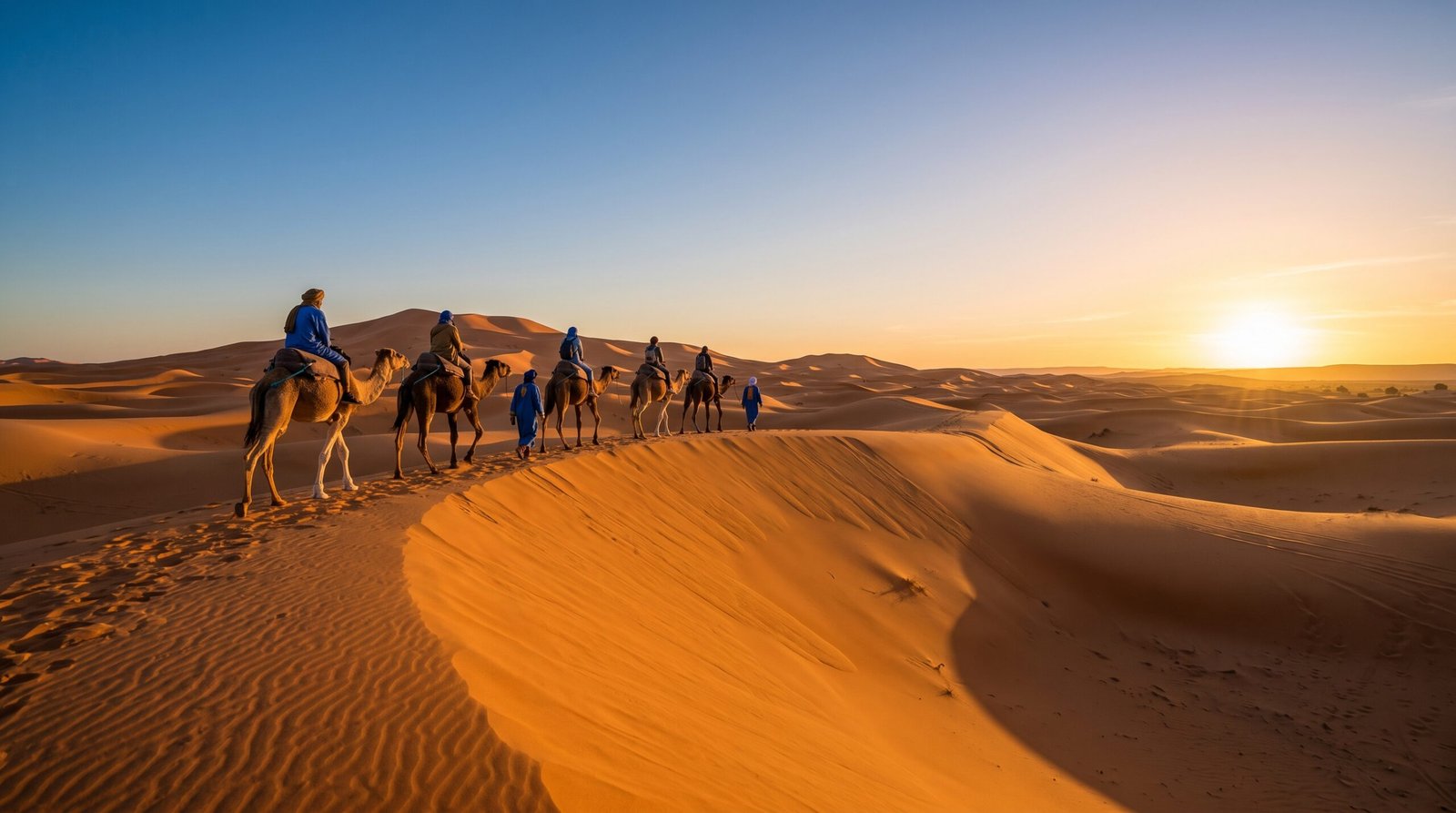
The Sahara is where season selection matters most. Summer months bring severe heat where midday sand temperatures can surpass 55°C, making afternoon camel trekking dangerous.
For most travelers, October through April represents the optimal window. Within this frame, October, November, March, and April offer the most comfortable balance between daytime sun and gentle night temperatures.
If staying in a desert bivouac appeals to you, read our dedicated guide to Merzouga Luxury Desert Camps to discover what amenities to look for in every season.
Winter in the High Atlas Mountains
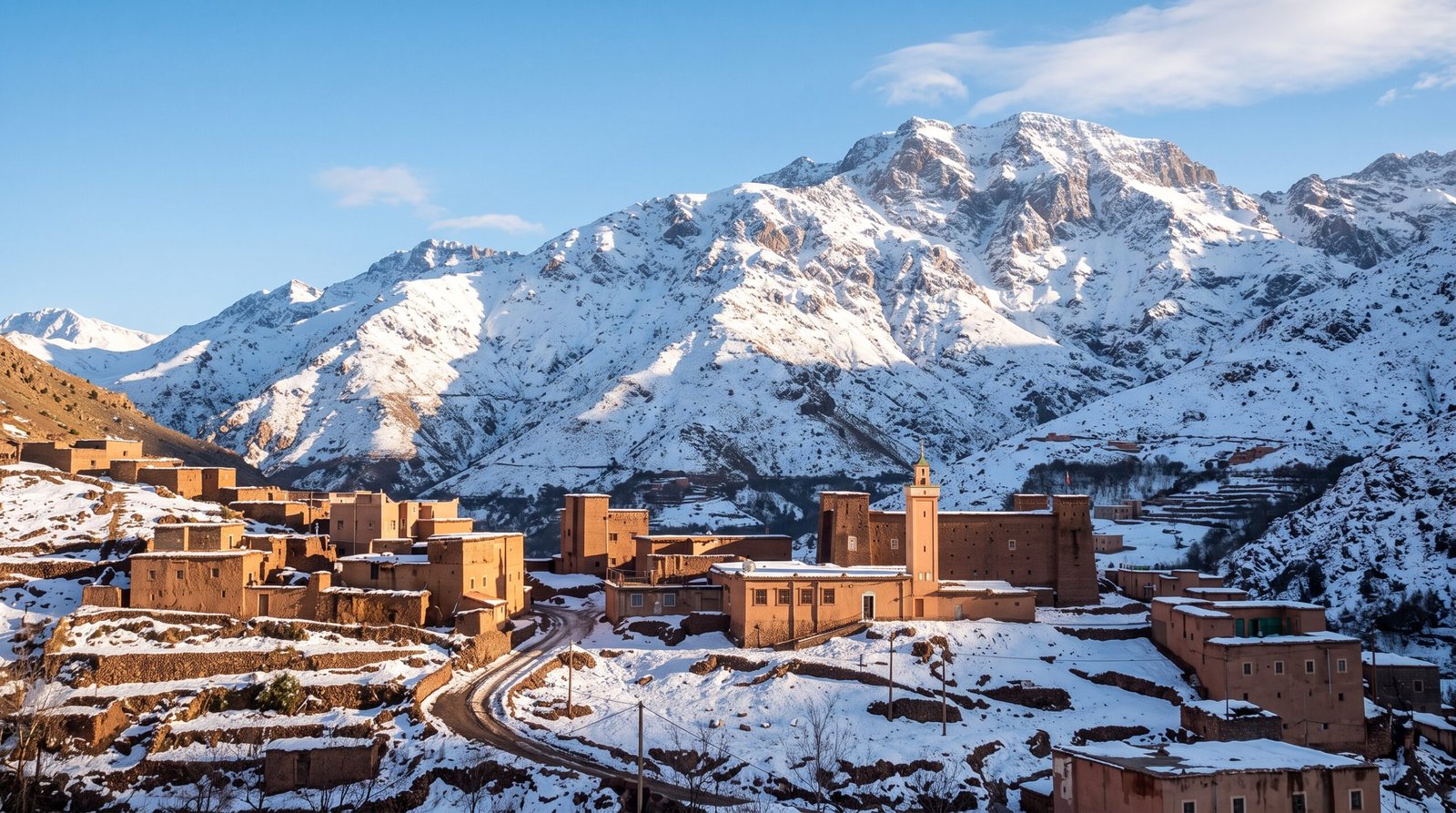
Morocco surprises many first-time visitors with its rugged alpine beauty. Between December and February, peaks exceeding 3,000 meters are blanketed in thick snow.
While high-elevation trekking routes like Mount Toubkal require crampons and winter gear, low-elevation valley drives provide spectacular snowy backdrops against terracotta villages.
Best Time for Tangier & Northern Morocco
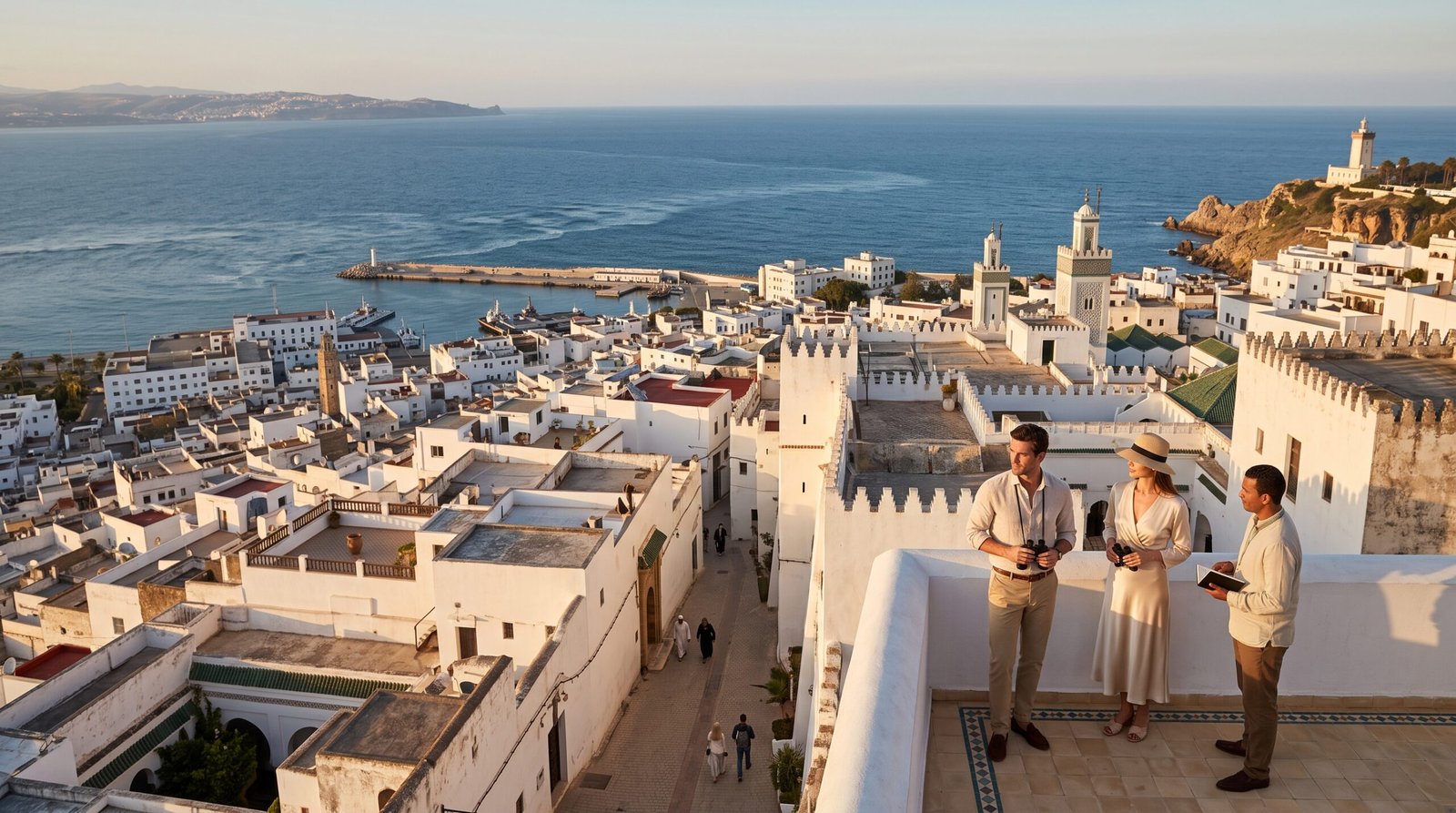
Tangier occupies a privileged position where the Atlantic Ocean meets the Mediterranean Sea. This maritime setting creates much milder summer temperatures than the interior.
From May through October, the city comes alive with outdoor café culture, historic kasbah rambles, and scenic day trips to Chefchaouen and Asilah.
Discover our comprehensive private Morocco tours departing from Tangier port and airport.
Deepen your journey planning with our full Morocco Travel Guide , explore our curated list of things to do in Merzouga , or calculate expected trip costs using our Morocco Travel Budget 2026 guide .
Not Sure Which Season Fits Your Trip?
Tell Yalla Tours your preferred travel dates, interests, and party size. Our team will design a customized private itinerary matched perfectly to the season you choose.
Plan My Morocco TripBest Time to Visit Morocco by Activity
Rather than selecting your dates solely based on temperature, prioritize the signature experiences you wish to enjoy:
Sahara Glamping
October to April: the premier period for camel trekking, sleeping in luxury duneside camps, and stargazing.
Medina Walking Tours
March to May & September to November: comfortable temperatures for long walks in Fes, Marrakech, and Tangier.
Beaches & Surfing
June to September: ideal for Mediterranean swimming; autumn to winter delivers the best Atlantic surf swells in Taghazout.
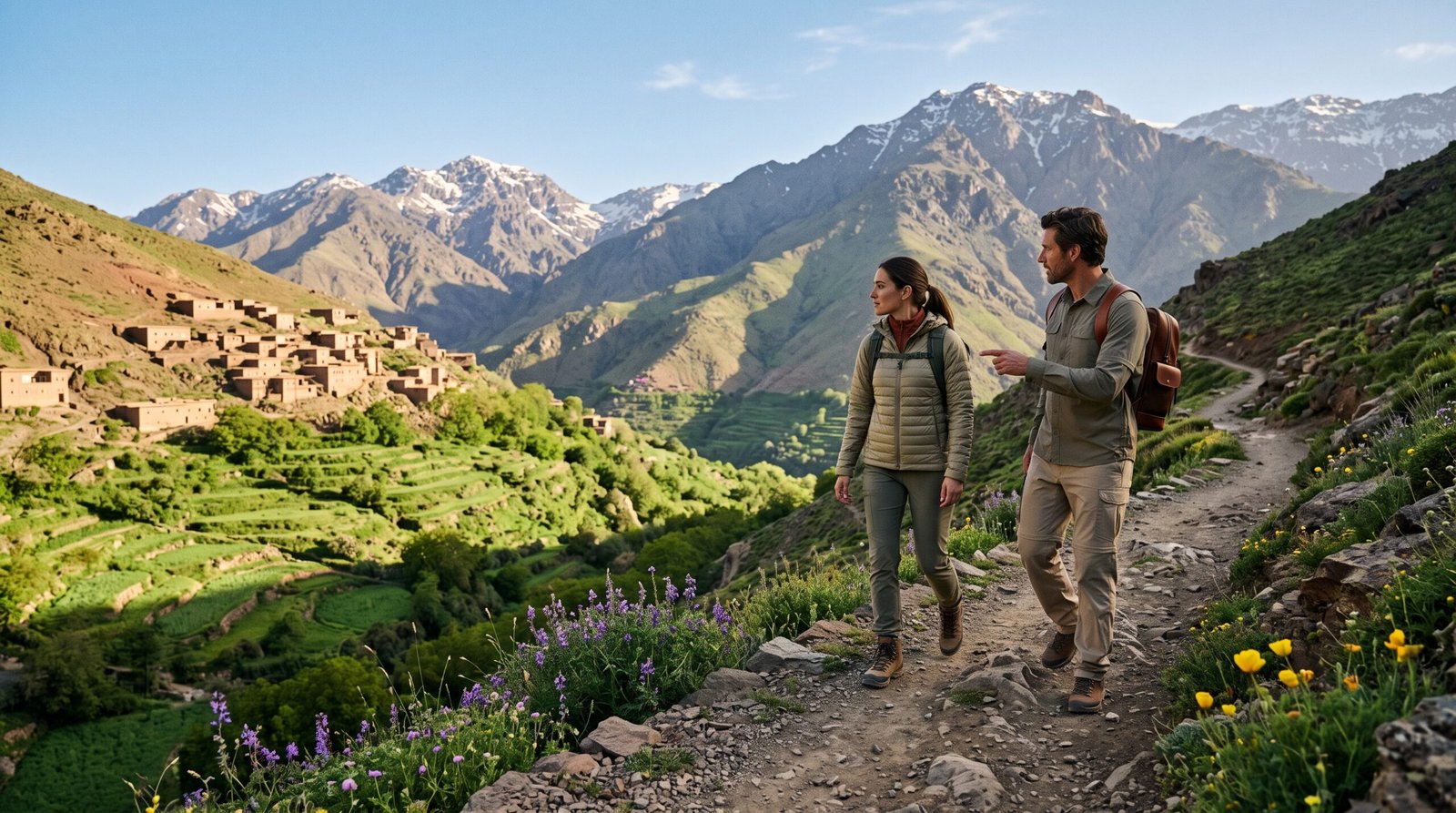
High Atlas Mountain Hiking
Late spring (April to June) and early autumn (September to October) provide optimal conditions for hiking in Morocco's High Atlas and Rif ranges.
During these shoulder months, mountain passes are free of heavy snow, daytime temperatures remain moderate, and mountain rivers are flowing with fresh snowmelt.
Best Time to Visit Morocco Based on Your Travel Style
Luxury Travelers
October to April: comfortable temperatures for private Mercedes van transfers, climate-controlled luxury desert camps, and tranquil palace dinners.
Families with Kids
March to May & Late October: mild weather avoids heat fatigue during long historic walking tours with younger travelers.
Budget Travelers
January, February & June: lower international flight fares and substantial seasonal discounts on boutique riads.
Peak Season vs. Shoulder Season vs. Low Season
Tourism patterns in Morocco do not always follow simple weather cycles. Here is what to expect regarding crowds, pricing, and availability:
| Travel Period | Typical Months | Crowd Levels | Pricing & Booking Dynamics |
|---|---|---|---|
| High Peak Season | March – May, October, Christmas & New Year | High across all iconic sites | Top boutique riads, private drivers, and luxury camps sell out months ahead. |
| Shoulder Season | February, June, September, November | Moderate & comfortable | A great compromise between pleasant weather, reasonable rates, and tour flexibility. |
| Low Season | July – August (Inland), January (Nationwide) | Low inland, high along northern coasts | Deep discounts on riads in Marrakech and Fes; custom tour dates offer ultimate flexibility. |
Morocco in 2026: Ramadan, Festivals & Cultural Holidays
Experiencing Morocco during cultural and religious holidays offers unique insight into the heart of the country, provided your daily schedule is well arranged.
Visiting Morocco During Ramadan 2026
Ramadan 2026 has already taken place, observed from mid-February to mid-March 2026 (concluding with Eid al-Fitr).
If you are considering a future trip during Ramadan, the experience is deeply memorable. Travelers simply need to accommodate modified daily rhythms and dining schedules:
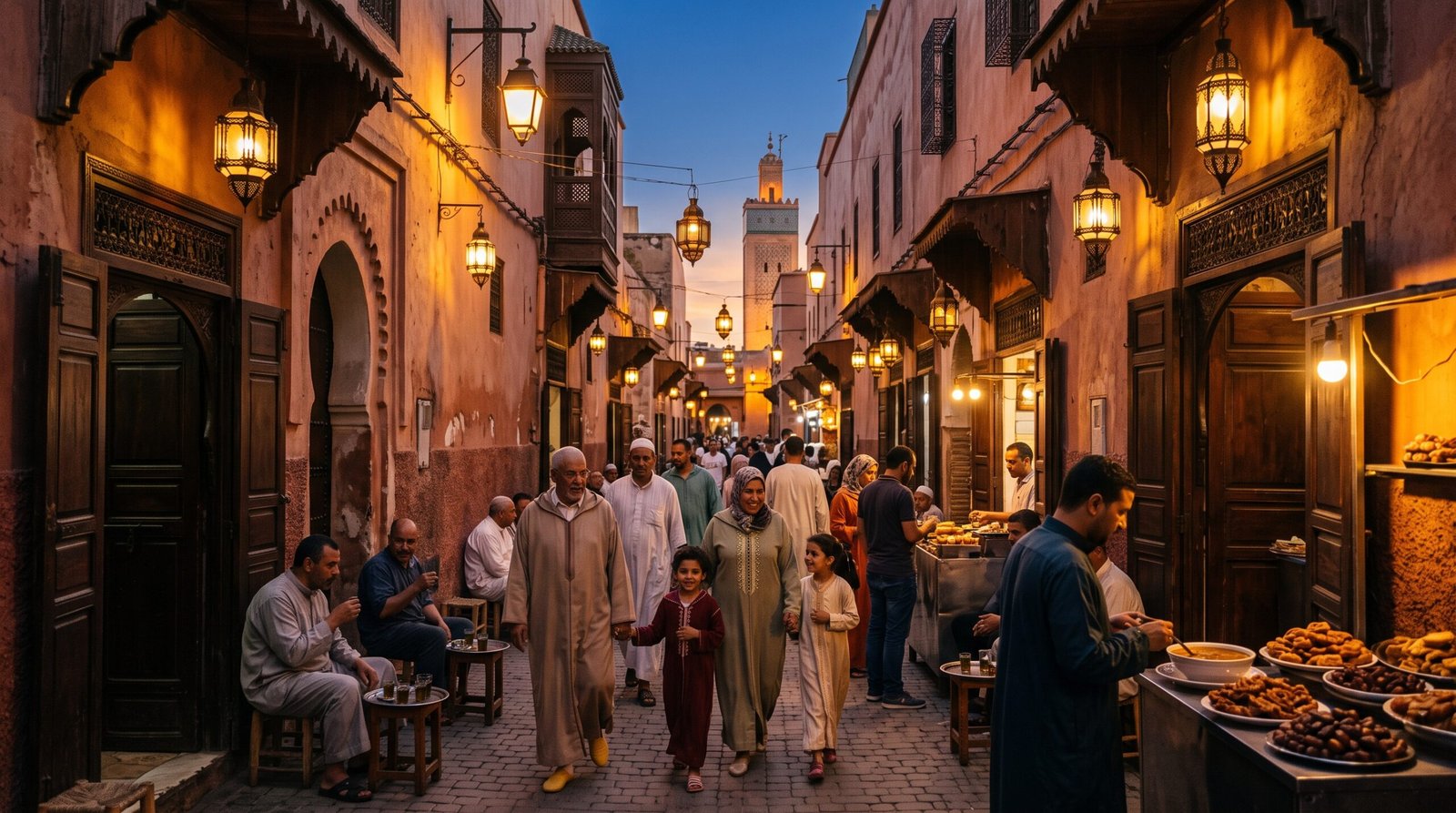
Atmospheric Medina Evenings
During festive cultural periods, Moroccan medinas take on a warm, celebratory glow after dusk.
Cafés fill with locals sipping spiced coffee and mint tea, street vendors offer honeyed pastries like chebakia, and centuries-old architectural gates are beautifully illuminated.
Major Cultural Festivals in Morocco
- Gnaoua World Music Festival (Essaouira — June): An internationally acclaimed seaside festival fusing mystical Gnaoua heritage with jazz and global rhythms.
- Fes Festival of World Sacred Music (Fes — May/June): Historic riad courtyards and palaces host spiritual ensembles from across the globe.
- Kelaat M'gouna Rose Festival (Dades Valley — May): Celebrates the spring harvest of millions of fragrant roses with folk music and dance.
- Throne Day (National Holiday — July 30): Commemorated across every town and city with fireworks, flags, and public events.
What to Pack for Morocco by Season
Because Moroccan temperatures fluctuate significantly from daytime sun to crisp evenings, layering remains the single smartest packing strategy.
Breathable cottons and linens for daytime; a medium sweater or scarf for breezy evenings in riad courtyards; durable walking shoes for cobblestone alleys.
Lightweight, loose-fitting clothing that respects local culture; wide-brim sun hat; high-SPF sunscreen; sunglasses; and a reusable water bottle.
Warm layers, an insulated jacket, and thermal base wear for chilly desert nights and mountain stays.
Closed-toe shoes for climbing dunes, a traditional cotton scarf (cheche) to guard against breeze-blown sand, and a portable power bank.
How Far in Advance Should You Book Your Morocco Tour?
The recommended booking window is governed by your travel dates, group size, and whether you require specialized private accommodations.
For travel during April–May, September–October, and the Christmas/New Year holidays, booking 3 to 6 months in advance ensures your preferred boutique riad suites, dedicated Mercedes tour vehicles, and top desert camp locations are secured.
To estimate realistic costs for vehicles, riads, and dining, explore our comprehensive Morocco Travel Budget 2026 guide .
Continue Planning Your Morocco Trip
Once you have identified your ideal travel season, browse our companion guides to refine every leg of your journey:
Morocco Travel Hub
Begin with our broader Morocco travel resources for essential route inspiration and tips.
Merzouga Adventures
Discover the best things to do in Merzouga from 4x4 dune bashing to Gnawa music.
Moroccan Gastronomy
Explore our curated Moroccan food guide for culinary highlights in Tangier and beyond.
Frequently Asked Questions About the Best Time to Visit Morocco
What is the single best month to visit Morocco?
April and October are widely recognized as the two best months for a complete Moroccan tour. Both provide comfortable daytime temperatures (24°C–26°C), minimal rainfall, pleasant evenings, and optimal conditions for imperial medinas and desert camping.
What is the best time to visit the Sahara Desert in Merzouga?
For most travelers, October through April represents the optimal window. October, November, March, and April offer ideal daytime temperatures. Mid-winter (December to February) features clear skies but very cold nights, while summer months should be avoided due to intense heat.
Is Morocco too hot to visit in July and August?
Inland cities like Marrakech, Fes, and the Sahara desert become intensely hot in July and August, often passing 40°C. In contrast, northern and coastal destinations like Tangier, Asilah, and Essaouira stay pleasant (26°C–29°C) thanks to ocean breezes.
Is Morocco cold in the winter?
Winter climate varies significantly by region. Daytime temperatures in cities like Marrakech remain sunny and mild (15°C–18°C), but nights turn cold. The High Atlas peaks receive heavy snowfall, and desert overnight temperatures can hover near freezing.
Can I visit Morocco during Ramadan?
Yes. Traveling during Ramadan provides an enriching cultural experience. While daytime streets are quieter, tourist restaurants and hotels operate normally. Evenings become vibrant celebrations after sunset (Iftar).
What is the cheapest time of year to visit Morocco?
January and February (outside holiday weeks) and the mid-summer month of June generally feature the lowest airfares and reduced boutique hotel rates across inland Morocco.
How many days are enough for a trip to Morocco?
For a first-time trip covering primary highlights—Tangier, Chefchaouen, Fes, the Sahara Desert, and Marrakech—a private 7 to 10-day itinerary is recommended to travel comfortably without excessive driving.
What is the best time for a honeymoon in Morocco?
April, May, September, and October are premier months for honeymoons, offering balmy evenings, blooming gardens, romantic riad stays, and luxury desert glamping under the stars.
What is the best time to visit Tangier?
May to October is the most enjoyable period to visit Tangier for outdoor terrace dining, coastal viewpoints, Mediterranean beaches, and easy day trips to Chefchaouen.
Plan Your Private Custom Journey with Yalla Tours
Whether you are exploring Tangier and Chefchaouen in spring, enjoying refreshing northern beaches in summer, touring imperial cities in autumn, or stargazing in the winter desert of Merzouga, Yalla Tours crafts customized private itineraries matched to your travel dates and style.